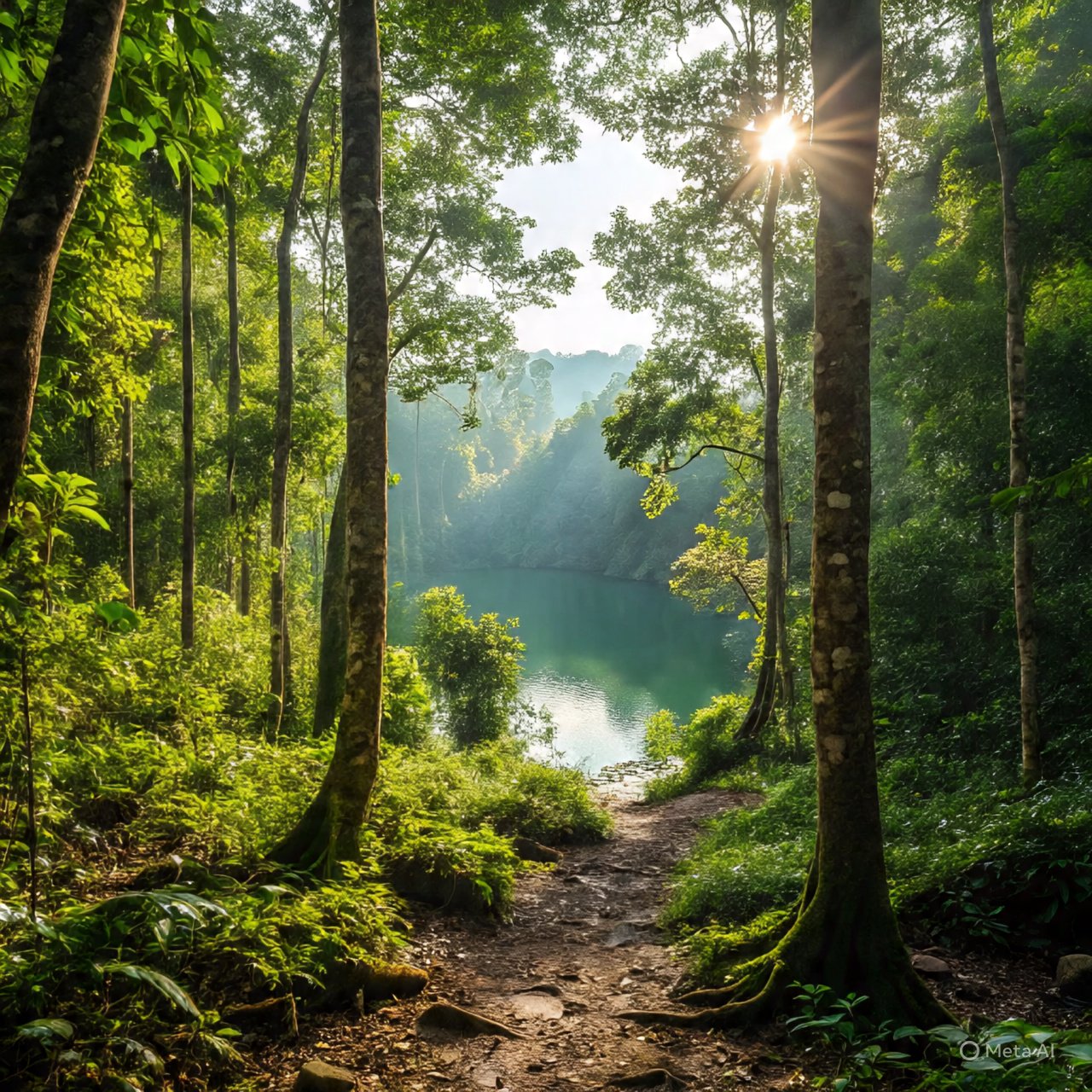
Khao Sok National Park is one of Thailand’s most breathtaking natural treasures. Located in Surat Thani Province, it is often described as the country’s best‑kept secret. While tourists flock to Phuket’s beaches or Chiang Mai’s temples, Khao Sok offers something different: a chance to immerse yourself in one of the world’s oldest rainforests, surrounded by towering limestone cliffs, emerald lakes, and exotic wildlife.
Covering over 739 square kilometers, the park is larger than Singapore and is part of the vast Khlong Saeng Wildlife Sanctuary. Its rainforest is believed to be older than the Amazon, dating back more than 160 million years. This makes Khao Sok not only a natural wonder but also a living museum of biodiversity.
Visitors to Khao Sok can expect a mix of adventure and serenity. Whether you’re kayaking on Cheow Lan Lake, trekking through jungle trails, spotting elephants and gibbons, or simply relaxing in a floating bungalow, the park offers experiences that connect you deeply with nature.
History and Heritage
Khao Sok was established as a national park in 1980 to protect its unique ecosystem. The area had long been inhabited by local communities who lived in harmony with the forest, relying on its resources for food, medicine, and shelter.
The park’s limestone karsts dramatic cliffs rising hundreds of meters are remnants of ancient geological formations. Over millions of years, erosion carved caves, waterfalls, and valleys, creating the diverse landscape we see today.
During the 1970s, the region was a refuge for political activists, who hid in the dense jungle. Their presence inadvertently protected the forest from logging and development. When the government later declared it a national park, Khao Sok became a symbol of conservation and resilience.
Culture and Lifestyle
While Khao Sok is primarily a natural destination, its surrounding villages reflect Thai culture. Local communities offer homestays, cooking classes, and eco‑tours, allowing visitors to experience rural life.
The park has also become a hub for eco‑tourism. Resorts and lodges emphasize sustainability, using solar power, composting, and eco‑friendly practices. Many floating bungalows on Cheow Lan Lake are built with minimal environmental impact, blending seamlessly into the landscape.
For travelers seeking wellness, Khao Sok offers yoga retreats, meditation centers, and jungle spas. The combination of pristine nature and mindful living makes it a destination for both adventure seekers and those looking for inner peace.
Food and Cuisine
Food in Khao Sok reflects southern Thai flavors spicy, aromatic, and rich in coconut. Local dishes include:
Gaeng Som: A sour curry with fish and vegetables.
Massaman Curry: A mild curry influenced by Muslim traders.
Freshwater Fish: Often grilled or served in soups.
Tropical Fruits: Rambutan, durian, and mangosteen thrive in the rainforest climate.
Many lodges and homestays serve home‑cooked meals, giving visitors a taste of authentic Thai hospitality. Dining by the lake or in jungle lodges adds to the experience, making meals memorable beyond their flavors.
Attractions and Activities
Cheow Lan Lake
The centerpiece of Khao Sok, Cheow Lan Lake was created in 1982 when the Rajaprabha Dam was built. Its emerald waters are surrounded by limestone cliffs and rainforest. Visitors can stay in floating bungalows, kayak, or take boat tours to explore hidden caves and islands.
Jungle Trekking
Guided treks lead visitors through dense rainforest, past waterfalls, and into wildlife habitats. Night safaris reveal nocturnal creatures, while day hikes showcase birds, monkeys, and exotic plants.
Wildlife Spotting
Khao Sok is home to elephants, gibbons, hornbills, and even tigers (though rarely seen). The park also hosts the rafflesia flower, one of the largest flowers in the world, known for its striking appearance and strong odor.
Adventure Sports
Kayaking, tubing, and rock climbing are popular. The park’s rivers and cliffs provide natural playgrounds for thrill‑seekers.
Festivals and Events
While Khao Sok itself is more about nature than festivals, nearby communities celebrate traditional Thai events:
Songkran (Thai New Year): Water fights and rituals in April.
Loy Krathong: Floating lanterns on rivers in November.
Local Eco‑Festivals: Focused on conservation and community.
These events add cultural depth to a visit, connecting travelers to Thai traditions.
Travel Tips
Best Time to Visit: November–April for dry weather; May–October for lush greenery but more rain.
Transport: Accessible from Surat Thani, Phuket, and Krabi by bus or car.
Accommodation: Options range from jungle lodges to floating bungalows.
Safety: Trek with guides, respect wildlife, and prepare for tropical conditions.
Conclusion
Khao Sok National Park is more than a destination it is an experience of timeless nature. Its rainforest, older than the Amazon, offers a glimpse into Earth’s past, while its eco‑tourism practices point toward a sustainable future. Whether you’re paddling across Cheow Lan Lake, listening to gibbons call at dawn, or marveling at limestone cliffs, Khao Sok leaves an impression that lasts long after you leave.
It is a place where adventure meets serenity, where culture blends with conservation, and where travelers rediscover their connection to the natural world.
💬 Comments
No comments yet.