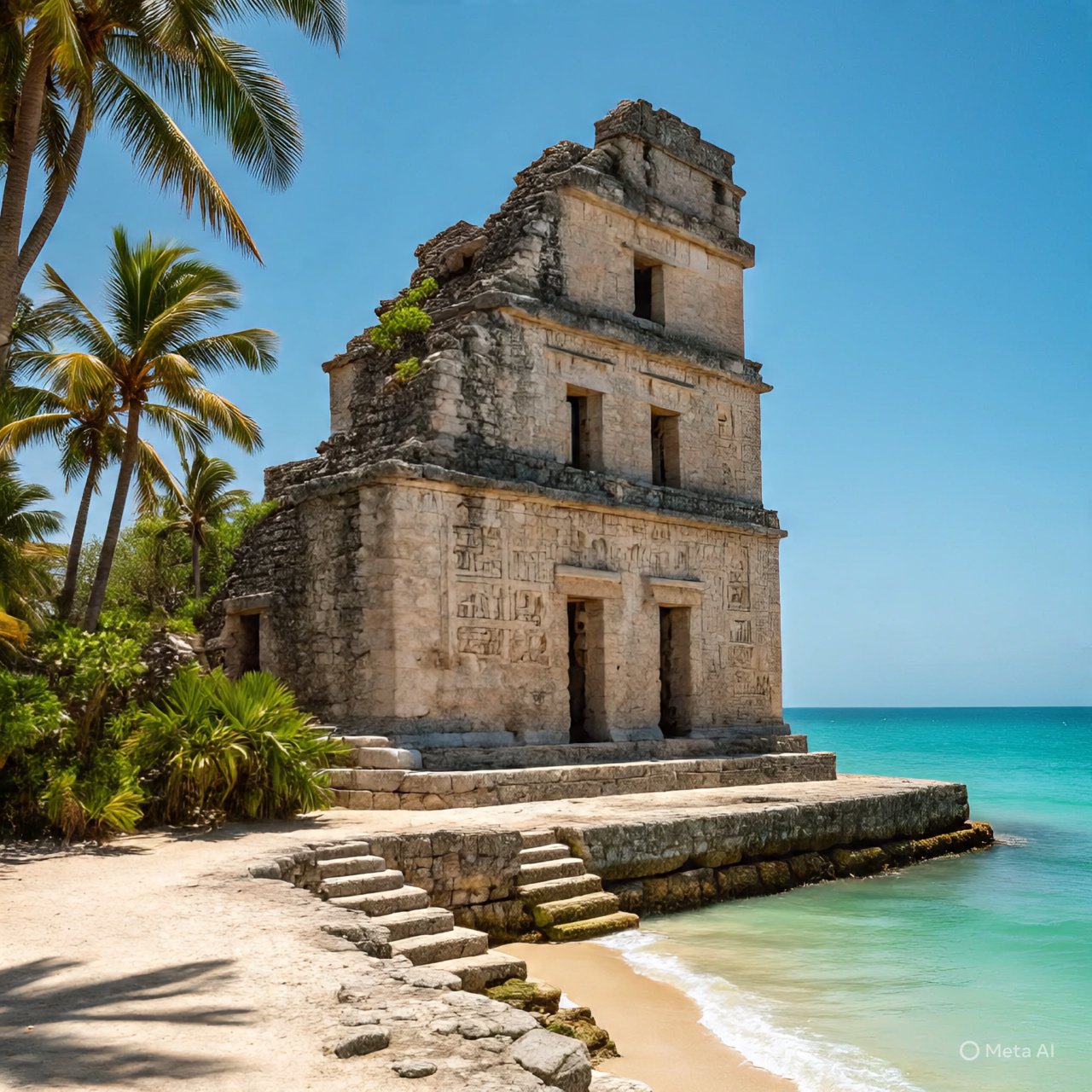
Tulum is one of Mexico’s most captivating destinations, a place where history, nature, and modern lifestyle converge. Unlike Cancun’s bustling resorts or Playa del Carmen’s nightlife, Tulum offers a slower rhythm, one that invites travelers to connect with both the past and the present. It is a town that has grown from a quiet fishing village into a global hotspot for eco-conscious tourism, wellness retreats, and cultural exploration.
What makes Tulum truly unique is its ability to balance contrasts. On one hand, you have the ancient Mayan ruins perched dramatically on cliffs overlooking the Caribbean Sea, a reminder of a civilization that thrived centuries ago. On the other, you have chic boutique hotels, yoga studios, and organic cafes that cater to modern travelers seeking relaxation and sustainability. This duality ancient and modern, natural and cosmopolitan is what defines Tulum’s charm.
Travelers come here not only for the beaches but also for the sense of discovery. Whether it’s swimming in hidden cenotes, exploring the Sian Ka’an Biosphere Reserve, or savoring Yucatán cuisine, Tulum offers experiences that go beyond the ordinary. It is a destination that nourishes both body and spirit, making it one of the most sought-after places in Mexico.
History and Heritage
Tulum’s story begins with the Mayan civilization, one of the most advanced cultures of the ancient Americas. Between the 13th and 15th centuries, Tulum was a thriving port city, strategically located along the Caribbean coast. Its position on cliffs gave it both defensive strength and a commanding view of trade routes.
The ruins that remain today are among the most visited archaeological sites in Mexico. El Castillo, the main pyramid, stands tall above the sea, once serving as a lighthouse for Mayan traders navigating the waters. The Temple of the Frescoes contains murals depicting gods and cosmology, offering insight into Mayan beliefs. The Temple of the Descending God, with its unique figure carved above the doorway, symbolizes fertility and renewal.
Tulum was not just a ceremonial site; it was a bustling hub of commerce. Goods like jade, obsidian, cacao, and textiles passed through its port, connecting inland cities with coastal trade routes. Its walls rare among Mayan cities suggest that Tulum was both prosperous and vulnerable, requiring protection from potential invaders.
By the time Spanish explorers arrived in the 16th century, Tulum was already in decline, yet they marveled at its grandeur. Today, the ruins stand as a testament to the ingenuity of the Mayans and their ability to thrive in harmony with nature.
Visiting the ruins is more than a sightseeing trip; it is a journey into history. Standing atop the cliffs, with the Caribbean stretching endlessly below, one can imagine the sails of Mayan canoes approaching the shore, laden with treasures and stories from distant lands.
Culture and Lifestyle
Tulum has developed a unique identity that blends local traditions with global influences. Its bohemian vibe attracts artists, musicians, and wellness seekers from around the world. Yoga retreats, meditation centers, and eco-friendly resorts are central to its lifestyle.
Art flourishes here murals decorate walls, boutique shops sell handmade crafts, and local artisans showcase jewelry and textiles inspired by Mayan heritage. Sustainability is a guiding principle: many hotels use solar power, composting, and eco-friendly practices.
The community is a mix of locals, expats, and travelers, creating a cosmopolitan atmosphere. Yet despite its international appeal, Tulum remains deeply rooted in Yucatan culture, with traditions celebrated in festivals, food, and daily life.
Food and Cuisine
Tulum’s food scene is diverse and vibrant. Local flavors dominate fresh seafood, ceviche, and Yucatán specialties like cochinita pibil (slow-roasted pork) and sopa de lima (lime soup). Street food stalls serve tacos, empanadas, and marquesitas (crispy crepes).
International cuisine thrives too, with Italian, Thai, and vegan restaurants catering to global visitors. Beachfront dining offers romantic views, while jungle-side eateries provide rustic charm. Mezcal and tequila tastings are popular, connecting visitors to Mexico’s iconic spirits.
Food in Tulum is not just about eating; it’s about experience. Many restaurants emphasize organic, locally sourced ingredients, reflecting the town’s eco-conscious ethos.
Beaches and Nature
Tulum’s beaches are among the most beautiful in the Caribbean. Playa Paraíso is famous for its soft white sand and palm trees, while Las Palmas Beach offers a quieter escape.
Beyond the coast, the Sian Ka’an Biosphere Reserve protects mangroves, lagoons, and wildlife. Travelers also flock to cenotes like Gran Cenote and Dos Ojos, natural sinkholes ideal for swimming and diving. Adventure sports such as snorkeling, diving, kite surfing, and paddleboarding thrive here.
Nature in Tulum is not just scenery it’s part of the lifestyle. Eco-tours, wildlife spotting, and sustainable practices make the environment central to the visitor experience.
Festivals and Events
Tulum hosts art and music festivals, eco-conscious events, and traditional celebrations like Day of the Dead, often infused with beachside rituals. Electronic music festivals attract international crowds, while local fairs celebrate crafts and food.
These events highlight Tulum’s dual identity: global and local, modern and traditional. They provide opportunities to connect with community and culture in meaningful ways.
Travel Tips
Best Time to Visit: November–April for dry weather.
Transport: Bikes and scooters are popular colectivos connect nearby towns.
Safety: Tulum is generally safe but avoid isolated beaches at night.
Language: Spanish is dominant, but English is widely spoken.
Final Thoughts
Tulum is more than a beach town. it’s a place where ancient history, natural beauty, and modern sustainability coexist. Whether you’re exploring Mayan ruins, swimming in cenotes, or practicing yoga by the sea, Tulum offers an experience that nourishes both body and spirit.



💬 Comments
No comments yet.