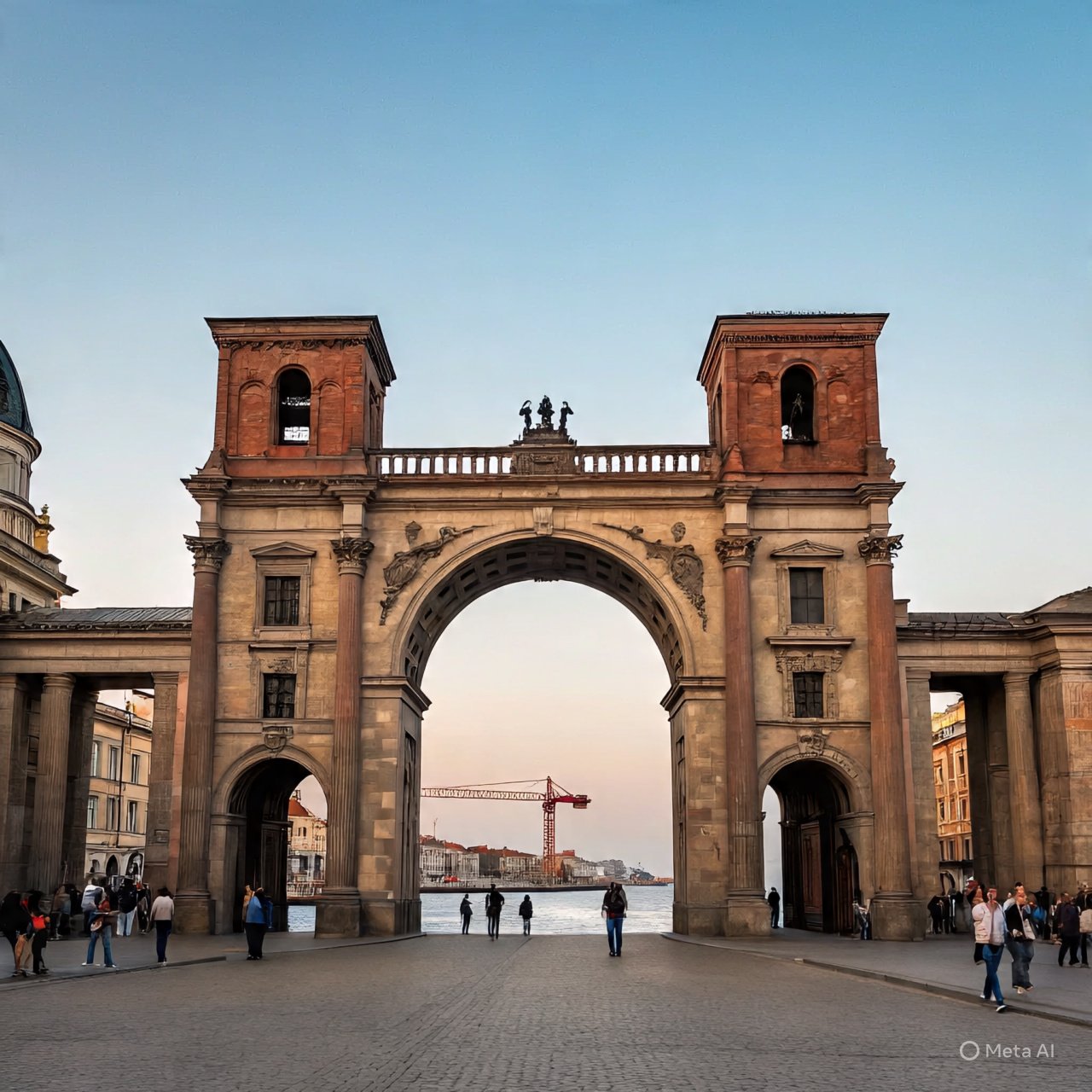
Gdansk is a city that has always looked outward toward the sea. Situated on the Baltic coast it has been a hub of trade culture and political change for centuries. Its history is marked by resilience and transformation from medieval prosperity to modern revival. Today Gdansk is a place where Gothic churches stand beside colorful merchant houses and where shipyards echo with stories of freedom and solidarity.
Visitors are captivated by its waterfront promenades its lively markets and its unique blend of Polish and European influences. Gdansk is not only a destination for history lovers but also a vibrant city that celebrates art cuisine and maritime tradition.
Historical Foundations
Gdansk emerged as a major trading port in the Middle Ages. It became part of the Hanseatic League which connected cities across northern Europe through commerce. This alliance brought wealth and cultural exchange that shaped the city’s identity.
The city’s history is complex with periods under Polish rule Prussian influence and German control. After the Second World War Gdansk returned to Poland and began a new chapter of growth. In the twentieth century it became the birthplace of the Solidarity movement which played a crucial role in ending communist rule in Poland.
Architectural Marvels
The architecture of Gdansk reflects its diverse past. The Main Town is filled with colorful facades and ornate buildings that line the Long Market. Landmarks such as the Neptune Fountain and Artus Court highlight the city’s mercantile heritage.
St Mary’s Church is one of the largest brick churches in the world and a symbol of Gothic grandeur. The medieval Crane on the Motlawa River showcases the city’s maritime strength. Modern developments blend with these historic treasures creating a cityscape that is both old and new.
Cultural Heritage
Gdansk is a city of culture and creativity. The Baltic Opera and Shakespeare Theatre host performances that attract audiences from across Europe. Museums such as the European Solidarity Centre and the National Maritime Museum preserve stories of struggle and achievement.
Festivals bring the city to life with music art and tradition. The St Dominic’s Fair is one of the oldest trade fairs in Europe and continues to draw visitors with crafts food and entertainment.
Modern Gdansk
Today Gdansk is a thriving metropolis with a strong economy driven by shipping tourism and technology. Its shipyards remain important while new industries have emerged to shape the future. The city offers a lively nightlife with bars restaurants and clubs that reflect its cosmopolitan spirit.
Public spaces are filled with parks and waterfront promenades that invite relaxation and exploration. Gdansk continues to grow as a modern European city while honoring its heritage.
Cuisine and Traditions
Food in Gdansk reflects its coastal location and multicultural past. Fresh fish pierogi and hearty stews are staples of local cuisine. Visitors can enjoy regional specialties such as goldwasser a traditional herbal liqueur.
Markets and restaurants celebrate both tradition and innovation. Folk music and dances are performed during festivals while artisans showcase crafts that connect the present with the past.
Day Trips and Surroundings
The region around Gdansk offers many attractions. Sopot and Gdynia form part of the Tri City area with beaches resorts and cultural events. Malbork Castle the largest brick castle in the world is a short journey away and provides insight into medieval life.
Nature lovers can explore the Kashubian countryside with its lakes forests and traditions. These excursions enrich the Gdansk experience by connecting urban life with history and nature.
Travel Guide
The best time to visit Gdansk is summer when the city hosts festivals and the Baltic coast is at its most inviting. Transportation is convenient with trains buses and ferries connecting the city to other destinations.
Travelers can plan short or long stays depending on their interests. A three day trip covers highlights while a week allows deeper exploration of the Tri City and surrounding areas. Gdansk offers options for budget travelers and luxury seekers alike.
Conclusion
Gdansk is a city that embodies resilience creativity and maritime spirit. From its medieval role in the Hanseatic League to its modern role in shaping freedom movements it has always been a place of significance.
Visitors discover a city where history and modern life blend seamlessly. Gdansk is not only a gateway to the Baltic but also a gateway to understanding Poland’s past and present.
💬 Comments
No comments yet.