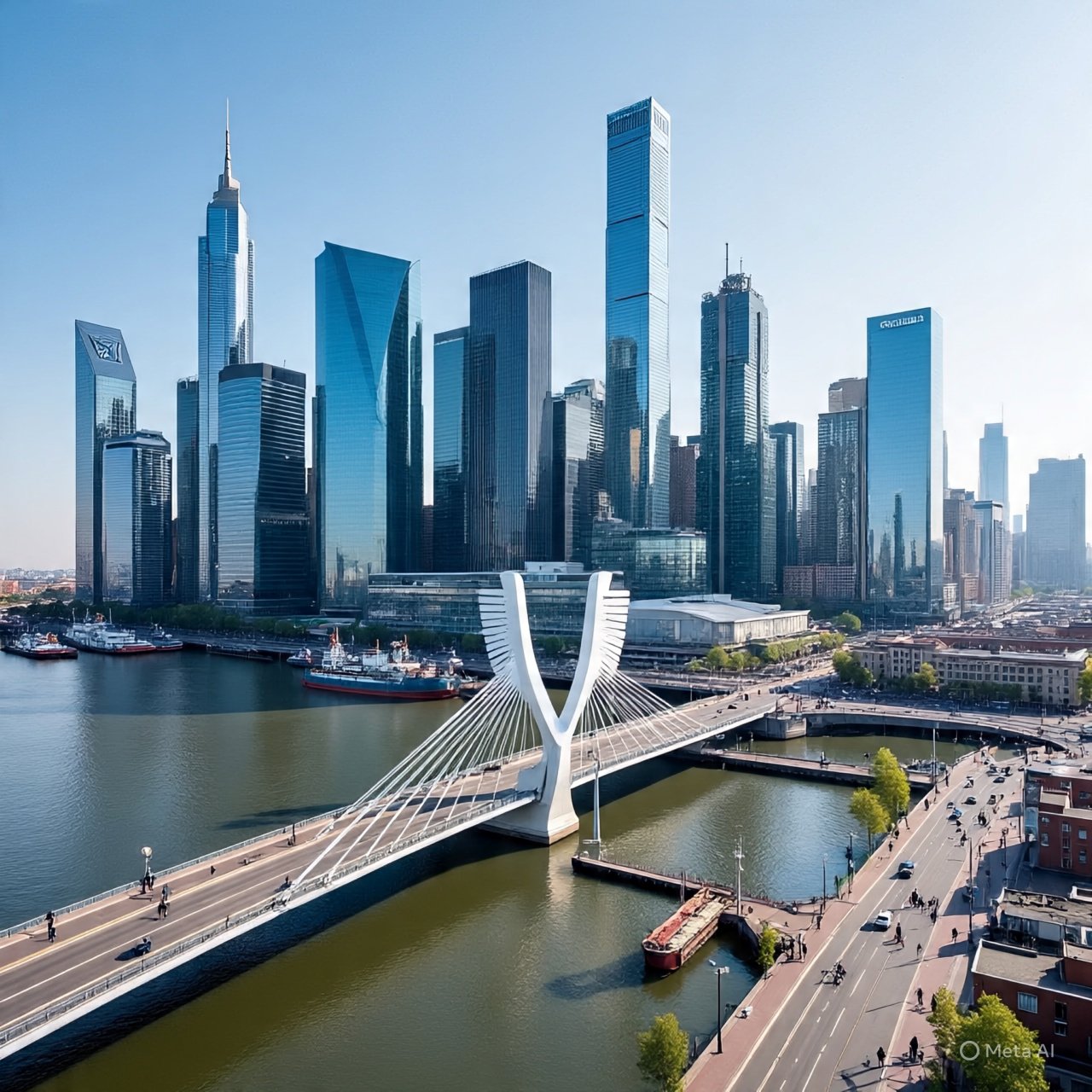
Rotterdam is a city that looks forward with confidence. Known for its modern skyline and innovative spirit it has rebuilt itself after wartime destruction into a thriving metropolis. Located on the banks of the Nieuwe Maas River Rotterdam is home to Europe’s largest port and serves as a gateway to the world.
Unlike Amsterdam with its historic canals Rotterdam is defined by bold architecture skyscrapers and futuristic design. It is a city of resilience creativity and diversity. Visitors discover a place where history and modernity coexist where art and commerce thrive and where every street reflects ambition.
Historical Foundations
Rotterdam began as a small fishing settlement in the thirteenth century. Its name comes from a dam built on the Rotte River. Over time it grew into a trading hub. By the seventeenth century Rotterdam was part of the Dutch Golden Age benefiting from commerce and exploration.
The nineteenth century brought industrial growth. Shipyards factories and railways transformed Rotterdam into a modern city. Its port expanded rapidly becoming one of the busiest in Europe.
The Second World War changed Rotterdam forever. In May 1940 German bombers destroyed the city center. Thousands of buildings were lost. Yet Rotterdam chose to rebuild not by recreating the past but by embracing the future. This decision shaped its identity as a city of innovation.
Architectural Marvels
Rotterdam’s skyline is a showcase of modern architecture. The Cube Houses designed by Piet Blom are tilted structures that challenge traditional design. The Erasmus Bridge known as the Swan connects the north and south of the city with elegance.
The Markthal combines housing with a market hall under a giant arch decorated with colorful artwork. The Depot Boijmans Van Beuningen is the world’s first publicly accessible art storage facility with a mirrored exterior that reflects the city.
Historic landmarks include Delfshaven a district that survived the bombing and preserves seventeenth century charm. The Laurenskerk rebuilt after the war stands as a symbol of resilience.
Cultural Heritage
Rotterdam is a city of culture and creativity. The Boijmans Van Beuningen Museum houses masterpieces from medieval to modern times. The Maritime Museum explores the city’s connection to the sea.
Festivals bring Rotterdam to life. The International Film Festival Rotterdam attracts global audiences. The North Sea Jazz Festival celebrates music with world famous performers. Street art and design exhibitions showcase local talent.
Rotterdam’s multicultural character enriches its culture. Communities from around the world contribute to food music and traditions.
Modern Rotterdam
Today Rotterdam is a hub of business technology and shipping. Its port remains the largest in Europe handling millions of containers each year. The city is also a center of finance education and innovation.
Public spaces are filled with sculptures parks and waterfront promenades. The city embraces sustainability with green buildings and cycling routes.
Rotterdam’s nightlife is vibrant with clubs bars and restaurants offering diverse experiences. Its universities attract students from across the world adding youthful energy.
Cuisine and Traditions
Food in Rotterdam reflects diversity. Traditional Dutch dishes such as herring and cheese are popular. International cuisine thrives with influences from Asia Africa and the Middle East.
Street markets such as Binnenrotte offer fresh produce and local specialties. Waterfront dining provides scenic views with modern menus.
Festivals celebrate traditions with parades music and food. Rotterdam’s multicultural spirit makes its cuisine unique.
Day Trips and Surroundings
Rotterdam’s location allows easy access to nearby attractions. Kinderdijk with its windmills is a UNESCO World Heritage Site. Delft offers historic charm and blue pottery. The Hague provides political significance and seaside relaxation.
Nature lovers can explore parks rivers and countryside. Cycling routes connect Rotterdam to scenic landscapes.
Travel Guide
Rotterdam is best visited year round. Summer offers festivals and outdoor events. Winter provides cozy markets and cultural experiences.
Transportation is efficient with trams buses and trains. The city is bike friendly with dedicated paths.
Accommodation ranges from budget hostels to luxury hotels. Travelers can choose based on preferences. Rotterdam offers options for all.
Conclusion
Rotterdam is a city of resilience innovation and culture. From its historic foundations to its modern skyline it embodies ambition and creativity. Visitors discover a place where architecture art and commerce thrive.
The Modern Metropolis of the Netherlands continues to inspire with its bold vision. Rotterdam is not only a destination but also a symbol of progress and strength.
💬 Comments
No comments yet.