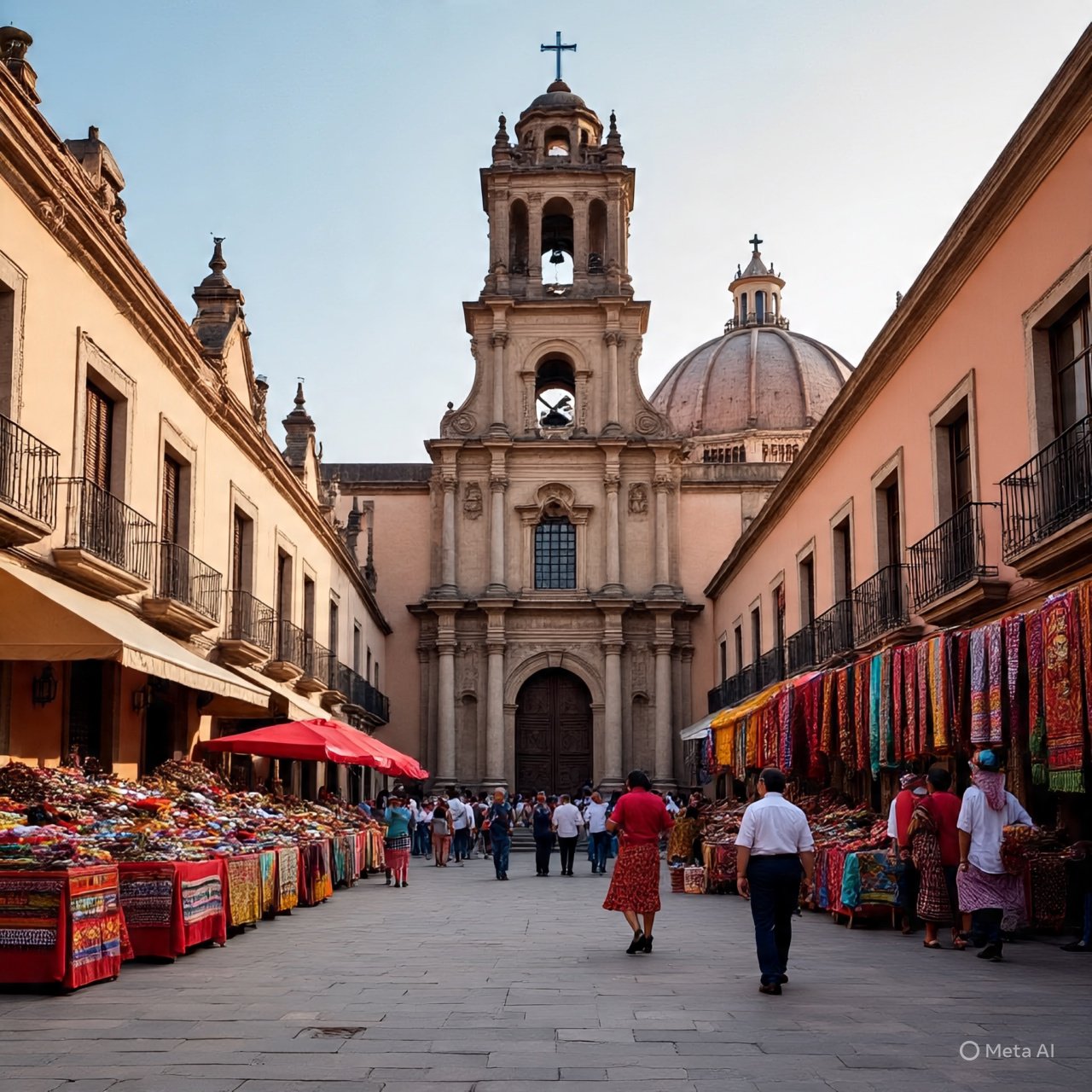
Oaxaca is often described as the soul of Mexico. Nestled in the southern highlands, this region is a tapestry of indigenous traditions, colonial history, breathtaking landscapes, and culinary wonders. Unlike Mexico City’s urban sprawl or Cancun’s beach resorts, Oaxaca offers a slower rhythm .one that invites travelers to immerse themselves in authenticity.
This article will take you deep into Oaxaca’s world: its history, people, food, festivals, crafts, and natural beauty. By the end, you’ll understand why Oaxaca is not just a destination but a living cultural experience.
History and heritage
Zapotec Civilization: Oaxaca’s roots trace back to the Zapotecs, who built the ancient city of Monte Albán around 500 BCE. The ruins still stand as a testament to their advanced society.
Mixtec Influence: The Mixtecs followed, leaving behind intricate codices and gold craftsmanship.
Spanish Conquest: In the 16th century, Spanish colonizers established Oaxaca City, blending European architecture with indigenous traditions.
Independence Era: Oaxaca played a role in Mexico’s independence, producing leaders like Benito Juarez, Mexico’s first indigenous president.
Arts and crafts
Oaxaca is a paradise for artisans.
Textiles: Villages like Teotitlan del Valle are famous for handwoven rugs dyed with natural colors like cochineal red.
Pottery: The black clay pottery of San Bartolo Coyotepec is world-renowned.
Alebrijes: Colorful wooden figures, often fantastical animals, are carved in towns like San Martin Tilcajete.
Markets: The Mercado Benito Juárez in Oaxaca City bursts with crafts, textiles, and handmade goods.
Food and cuisine
Oaxaca is often called the “land of seven moles.”
Mole: Rich sauces made with chili, chocolate, and spices. Each variety — mole negro, mole rojo, mole amarillo — tells a story.
Tlayudas: Giant tortillas topped with beans, cheese, lettuce, and meat.
Chapulines: Roasted grasshoppers, crunchy and seasoned with lime and chili.
Mezcal: Oaxaca is the birthplace of mezcal, a smoky spirit made from agave. Distilleries offer tastings and tours.
Markets: Mercado 20 de Noviembre is a food lover’s heaven, with stalls serving traditional dishes.
Attractions and landmarks
Monte Alban: Ancient Zapotec capital with pyramids and ball courts.
Hierve el Agua: Petrified waterfalls and natural mineral springs.
Mitla: Archaeological site with intricate stone mosaics.
Oaxaca Cathedral: Colonial architecture in the heart of the city.
Ethnobotanical Garden: Showcases Oaxaca’s diverse plant life.
Villages and neighborhoods
Teotitlan del Valle: Famous for weaving.
San Bartolo Coyotepec: Known for black pottery.
San Martín Tilcajete: Home of alebrijes.
Jalatlaco: A charming neighborhood in Oaxaca City with colorful murals.
Festivals and celebrations
Guelaguetza: A July festival celebrating indigenous dance, music, and costumes.
Day of the Dead: Altars, marigolds, and candlelit cemeteries. Oaxaca is one of the best places to experience this tradition.
Semana Santa: Holy Week processions and rituals.
Mezcal Festival: Celebrates Oaxaca’s iconic spirit.
Nature and outdoors
Sierra Norte: Cloud forests perfect for hiking and birdwatching.
Pacific Coast: Beaches like Puerto Escondido and Huatulco.
Hierve el Agua: Natural pools with stunning views.
Ecotourism: Community-run projects offer sustainable travel experiences.
Travel tips
Best Time to Visit: October–November for Day of the Dead, or July for Guelaguetza.
Transport: Buses connect villages; colectivos (shared taxis) are common.
Safety: Oaxaca is generally safe, but stick to well-lit areas at night.
Language: Spanish dominates, but Zapotec and Mixtec languages are still spoken.
Conclusion
Oaxaca is not just a place to visit . it’s a place to feel. Its traditions are alive in every dance, every dish, every craft, and every smile. Travelers leave not just with souvenirs but with stories, flavors, and memories that linger.


💬 Comments
No comments yet.