On the Banks of the Rhône
Arles rests on the plains of the Rhône River, close to the Mediterranean coast. To the south, the Camargue wetlands stretch out with flamingos, wild horses, and salt flats. This geography gives Arles fertile lands and natural beauty, making it a paradise for explorers, photographers, and nature lovers. With hot summers and mild winters, the Mediterranean climate makes Arles a year‑round destination.
Rome’s Footprints in Provence
Founded around 600 BCE and later developed by the Romans, Arles became a major trading and military center. Its monuments still tell the story:
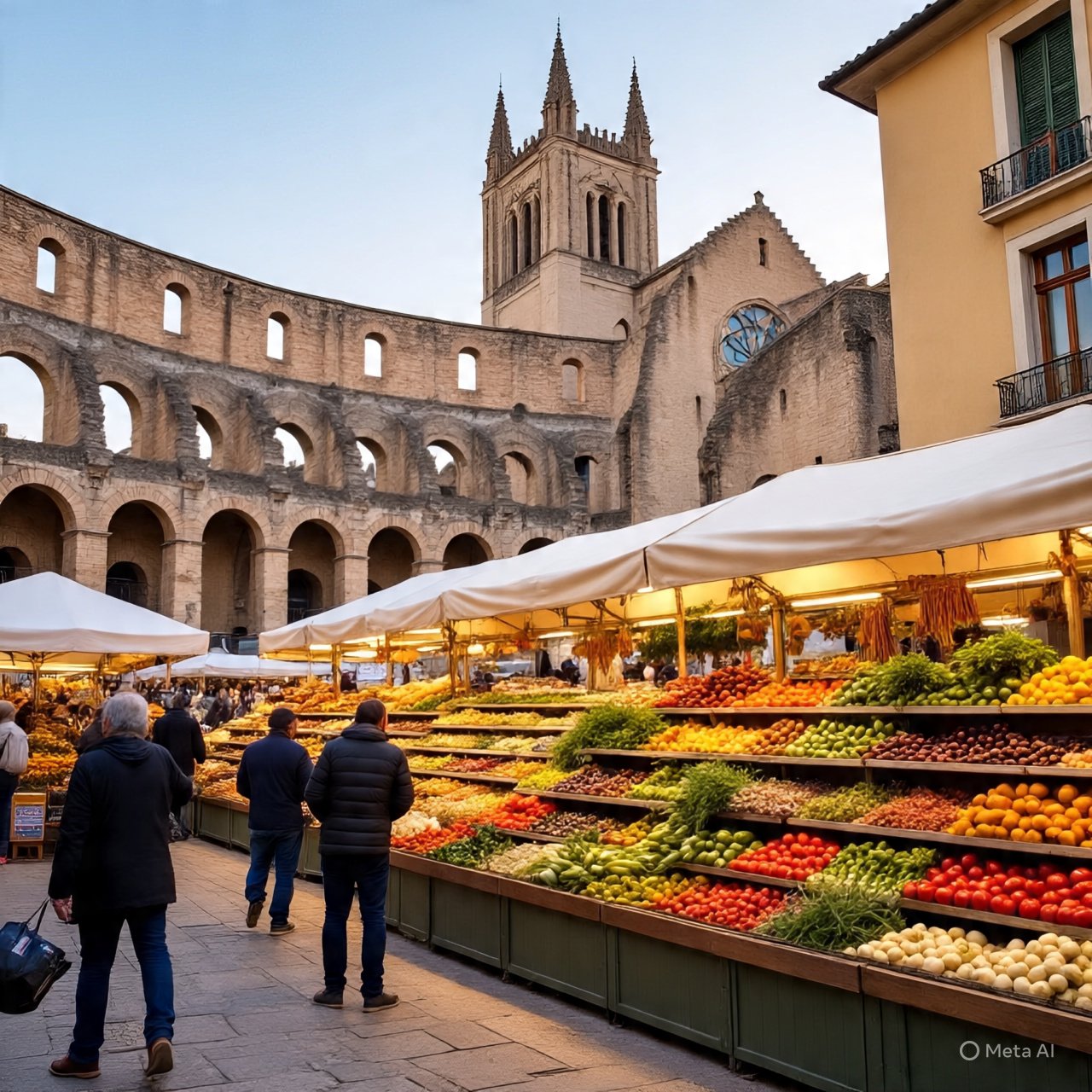
Les Arènes (Roman Amphitheatre): Built in the 1st century AD, seating 20,000 spectators, now hosting concerts and festivals.
Roman Theatre: A semicircular amphitheater still alive with performances.
Baths of Constantine: Preserved ancient baths showcasing Roman engineering.
Cryptoporticus: Underground galleries that once supported Roman buildings.
Medieval Echoes and Sacred Spaces
After Rome’s decline, Arles became a medieval powerhouse. The Church of Saint‑Trophime, built in the 12th century, is a masterpiece of Provençal Romanesque architecture, with carved portals depicting biblical scenes. Fortified walls, towers, and cobblestone streets reflect centuries of religious and political influence, while Renaissance touches add further depth to the city’s story.
Van Gogh’s Provençal Muse
In 1888, Vincent van Gogh arrived in Arles, captivated by its colors and sunlight. Here he painted masterpieces like Starry Night Over the Rhône, The Yellow House, and Café Terrace at Night. His time in Arles was transformative, making the city a pilgrimage site for art lovers. Museums and guided tours retrace his steps, connecting visitors to the places immortalized on canvas.
Festivals That Keep Arles Alive
Arles continues to thrive as a cultural hub:
Rencontres d’Arles: An internationally renowned photography festival.
Feria d’Arles: Bullfighting festival with parades and concerts.
Classical music and theater events staged in Roman and medieval venues.
Streets, Squares, and Living History
Les Arènes: Today a stage for bullfighting, concerts, and cultural events.
Saint‑Trophime Church: A UNESCO site with Romanesque cloisters and chapels.
Place du Forum: A lively square lined with cafés and shops.
Museums: From Roman artifacts at the Musée de l’Arles Antique to fine arts and photography at Musée Réattu.
Flavors of the South
Arles is a feast for the senses. Provençal cuisine shines with:
Tapenade: Olive paste with bread.
Bouillabaisse: Mediterranean fish stew.
Local cheeses, pastries, and wines. Markets brim with fresh produce, meats, and herbs, while culinary festivals celebrate the region’s flavors.
Nature Beyond the City Walls
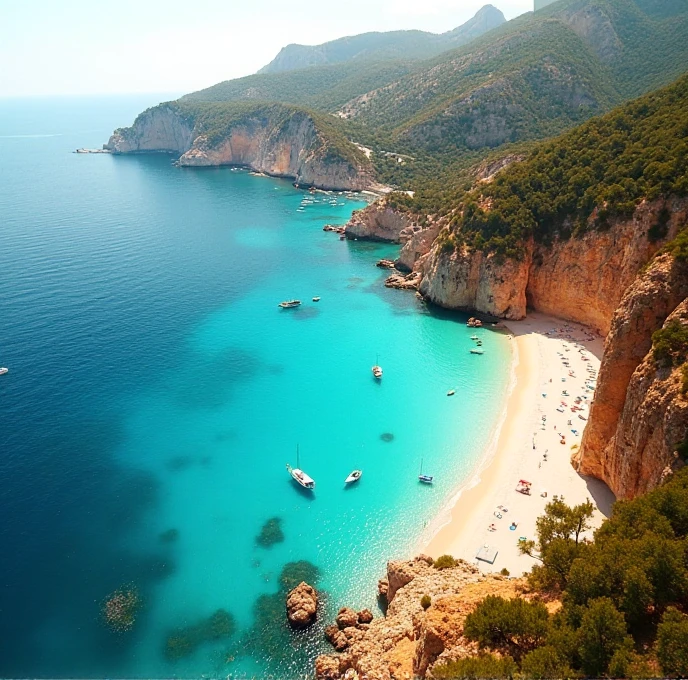
Beyond the city, the Camargue wetlands offer horseback riding, birdwatching, and photography. Mediterranean beaches like Saintes‑Maries‑de‑la‑Mer are within reach for coastal excursions. Day trips to Avignon, Pont du Gard, and Châteauneuf‑du‑Pape add history and wine to the journey.
Arles in the Present Day
Modern Arles blends its ancient past with contemporary life. Boutique shops, cafés, cultural centers, and artisans keep traditions alive while embracing modern comforts. Festivals, education, and tourism sustain the city, ensuring its spirit remains vibrant.
A Legacy That Still Inspires
Arles is more than a historic city — it is a living canvas of history, art, and culture. From Roman amphitheaters and medieval churches to Van Gogh’s legacy and modern festivals, Arles offers travelers a multifaceted experience. Its monuments, cuisine, landscapes, and Provençal charm make it one of southern France’s most captivating destinations.
💬 Comments
No comments yet.